
Before the 2027 busy season pressure mounts, use this mid-year moment to honestly assess whether your audit technology is delivering efficiency and quality, or just adding complexity.
Highlights
- Mid-year audit technology assessment helps identify gaps before the 2027 busy season.
- Key evaluation areas include workflow efficiency, staff productivity, compliance, and integration.
- Strategic technology adoption drives audit quality, staff satisfaction, and competitive advantage.
We are well into 2026, and the lessons from last year’s busy season are still fresh. But here’s the critical question every audit partner should be asking: Did your audit technology actually deliver on the promises that convinced you to invest?
If you’re like most audit professionals, the honest answer might be uncomfortable. While technology vendors make compelling pitches about workflow efficiency, staff productivity, and compliance automation, the reality often falls short of expectations. According to the 2024 Audit Survey Report from Thomson Reuters Institute, a minority of respondents said they believe their firm is harnessing technology to its full potential.
Mid-year presents the perfect opportunity for an honest assessment of your technology stack. With the 2027 busy season still months away, now is the ideal time to identify gaps and make strategic changes before the pressure mounts.
Jump to ↓
The promise vs. reality gap in audit technology
Your mid-year audit technology assessment checklist
Making strategic audit technology changes before 2027 busy season
The strategic path forward with digital transformation in audit
Take action before summer planning season
The promise vs. reality gap in audit technology
When audit firms invest in new technology, they’re typically sold on three core promises: enhanced workflow efficiency, improved staff productivity, and automated compliance capabilities. These aren’t unreasonable expectations — they’re fundamental requirements for modern audit practices.
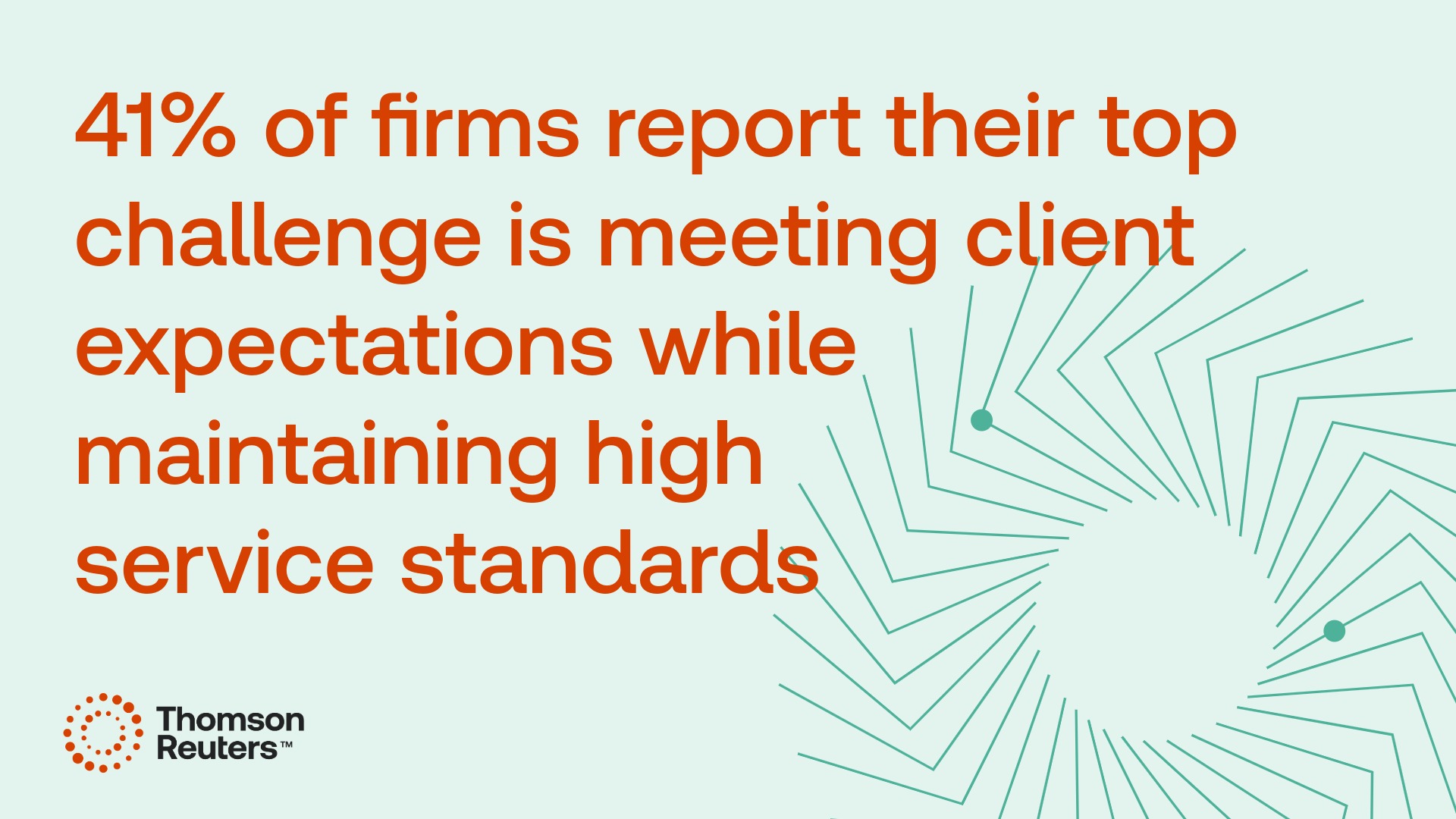
Yet the disconnect between promise and performance remains significant. The same Thomson Reuters Institute research reveals that 41% of firms report their top challenge is meeting client expectations while maintaining high service standards – a challenge often exacerbated by underperforming technology rather than solved by it.
This gap impacts your firm’s most critical priorities: on-time completion, audit quality, and client satisfaction. When technology fails to deliver, the consequences ripple through every aspect of your practice, from staff morale to client relationships to competitive positioning.
The advantage of conducting this assessment in Q2? You have ample time to research, implement, and train staff on new solutions before the demands of next year’s busy season begin.
Your mid-year audit technology assessment checklist
Use this comprehensive framework to evaluate whether your current technology is truly serving your practice:
1. Workflow efficiency assessment
Confirmation and communication processes:
-
- Are client confirmations still requiring manual follow-up and tracking?
- Does your team spend excessive time managing confirmation responses?
- Can you automate confirmation reminders and status updates?
System integration and access:
-
- Does your team log into multiple systems to complete a single audit task?
- Are you still doing double data entry between audit, tax, and document management platforms?
- Can remote staff access all necessary systems and data seamlessly?
- Do system integrations actually work as promised, or require manual workarounds?
Data management and transfer:
-
- Are you manually importing client data instead of using automated connections?
- Does data synchronization between systems happen in real-time?
- Can you easily track data lineage and maintain audit trails?
2. Staff productivity & satisfaction evaluation
User experience and performance:
-
- Are junior staff struggling with overly complex software interfaces?
- Is system downtime impacting productivity during critical periods?
- Do staff regularly complain about slow performance or frequent crashes?
- Are you spending more time on software training than originally anticipated?
Efficiency metrics:
-
- Has your average time-per-audit decreased since implementation?
- Are staff able to complete more audits without sacrificing quality?
- Do team members report feeling more productive with current tools?
- Has technology reduced overtime hours during busy periods?
3. Compliance & quality assurance review
Documentation and review processes:
-
- Are peer review preparations still stressful and predominantly manual?
- Can you easily demonstrate complete audit trail compliance for regulatory reviews?
- Are documentation standards consistently met across all engagements without manual oversight?
- Do you have real-time visibility into audit progress and quality metrics?
Regulatory alignment:
-
- Does your system automatically incorporate updates to PCAOB auditing standards?
- Can you easily demonstrate SOX compliance documentation?
- Are SEC reporting requirements seamlessly integrated into your workflow?
- Does your technology support emerging regulatory requirements without custom modifications?
4. Integration & security evaluation
Cross-platform communication:
-
- Do your audit, tax, and document management systems share data effectively?
- Can you generate comprehensive reports that pull from multiple systems?
- Are client communications integrated across all platforms?
Security and scalability:
-
- Are your security protocols meeting enterprise-grade standards required by larger clients?
- Can your technology infrastructure scale with business growth?
- Are vendor support responses and system updates meeting your expectations?
- Do you have confidence in your data backup and recovery capabilities?

Making strategic audit technology changes before 2027 busy season
Optimal timing for implementation
Smart audit partners know that technology implementations during busy season are recipes for disaster. Spring presents an ideal window for meaningful technology transformation — you have half a year to research, implement, and optimize new systems before peak workload periods begin.
Key implementation considerations:
-
- Research and vendor selection: May-June 2026
- Implementation and testing: July-September 2026
- Staff training and adoption: October-November 2026
- Full deployment and optimization: December 2026

Success factors for technology decisions
Thomson Reuters Institute research reveals that most firms report IT having no role or only an advisory role in technology decisions, with director, managers, and VPs leading the buying journey. This partner-led approach ensures technology choices align with actual audit methodology and client needs.
Critical evaluation questions:
-
- Methodology alignment: Does this technology enhance our specific audit approach, or force us to adapt to the software?
- Manual process reduction: Will this genuinely eliminate manual steps, or simply digitize existing inefficiencies?
- Scalability: Can this solution grow with our practice without requiring major reinvestment?
- Integration capability: Does this work seamlessly with our existing technology ecosystem?
Vendor evaluation best practices:
-
- Require live demonstrations with your actual client data
- Speak with current users who have similar practice sizes and client types
- Understand the true total cost of ownership, including training and support
- Evaluate vendor stability and long-term product roadmap
The strategic path forward with digital transformation in audit
Immediate action steps for spring 2026
-
- Complete this assessment by June 2026: Use the checklist above to identify your top three technology pain points
- Quantify the impact: Calculate the real cost of current inefficiencies in terms of staff time and client satisfaction
- Begin vendor research in early July: Look for platforms that address core workflow challenges rather than adding more point solutions
Long-term digital strategy
Leading audit practices are moving toward comprehensive digital transformation that enhances audit quality while improving staff satisfaction. This means investing in technology that supports rather than complicates your proven methodologies.
Key strategic considerations:
-
- Integrated platforms over point solutions: reduce complexity by consolidating vendors
- AI-powered automation: leverage Fiduciary-Grade AI™ that enhances rather than replaces auditor judgment
- Client collaboration tools: invest in technology that strengthens client relationships through transparency and communication
Measuring success
Successful technology transformation should deliver measurable improvements in:
-
- Reduced time-to-completion for standard audit procedures
- Improved staff satisfaction and retention rates
- Enhanced client relationships through better service delivery and communication
- Competitive positioning through superior efficiency and quality
Take action before summer planning season
Your technology should be your competitive advantage, not your constraint. Spring 2026 provides the perfect opportunity to make strategic changes with ample time for proper implementation before the 2027 busy season arrives.
The firms that thrive in today’s environment are those that view technology as a strategic enabler of audit excellence, not just a necessary expense. They’re the practices that can attract top talent, retain valuable clients, and maintain profitability even as market pressures intensify.
Don’t let another busy season pass with technology that holds you back instead of propelling you forward. The time to act is now, while you have the luxury of careful planning and thorough implementation.
Explore proven solutions that deliver on their promises. Visit our Audit Excellence resource center to see how Thomson Reuters can help you achieve the efficiency, quality, and staff satisfaction your practice deserves.