
New findings from the 2026 Corporate Tax Department Technology Report reveal a growing divide between tax functions accelerating into strategic value — and those falling behind. See where you stand, what's driving the gap, and how ONESOURCE direct tax solutions are helping leaders cross to the right side of it.
Jump to ↓
| 1. The strategic shift is real — for the teams that got there first |
| 2. Leadership has finally shown up |
| 3. The AI timeline just compressed |
| 4. Most departments are still stuck in “reactive” mode |
| 5. A purchase pause — and a satisfaction collapse |
| 6. Budgets aren’t keeping up — and probably won’t |
| Four moves direct tax leaders should make now |
| The honest takeaway for corporate tax departments |
 |
|
If you lead a corporate direct tax function, you already know the rhythm: the close compresses, the provision deadline lands harder than it should, a state notice arrives the morning of an audit response, and the data you need is scattered across a parking lot of spreadsheets. You also know that automation using tax technology is supposed to solve this.
The 2026 Corporate Tax Department Technology Report from Thomson Reuters Institute confirms what direct tax leaders are feeling: progress is real, but uneven — and the cost of standing still is rising. In addition, the report found that 64% of departments are still operating in chaotic or reactive modes. It is referred to as the “frustration gap” in the report, and, on the basis of this year’s survey, that gap is widening.
Here are six findings every direct tax leader should pay attention to — and what to do about each.
1. The strategic shift is real—for the teams that got there first
Two-thirds of respondents say technology investment over the past three years has enabled their department to shift toward more strategic, proactive work—the forecasting, scenario modeling, risk assessment, and decision-support work direct tax leaders have been promising the C-suite for a decade. Nearly a quarter described the shift as significant.
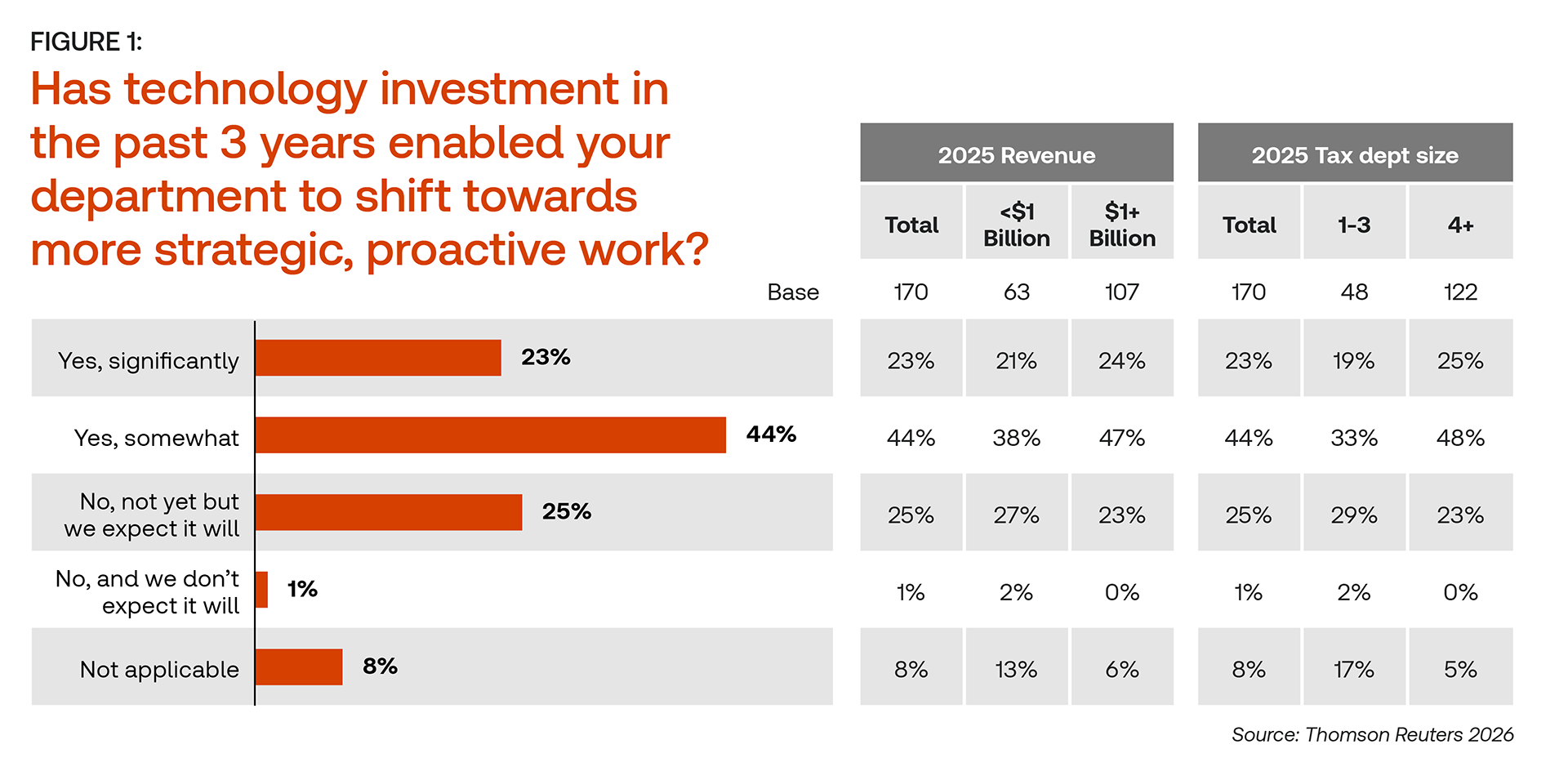 Figure 1: Has technology investment in the past 3 years enabled your department to shift toward more strategic, proactive work?
The shift was most pronounced in larger departments—those with four or more people — where roughly half of respondents said they were spending more time on strategic activities. For direct tax functions, this is exactly the unlock the role has been waiting for: provision forecasting tied to live operating data, modeling of state apportionment scenarios, sensitivity analysis around Pillar Two outcomes, deferred tax positioning around M&A. None of that work happens until automation creates the time for it.
The flip side: about a third of respondents have not seen this shift yet. As the rest of the report makes clear, the gap between the haves and have-nots is becoming the central story.
2. Leadership has finally shown up
One of the most striking year-over-year changes is who, if anyone, owns tax technology strategy. Last year, only about half of respondents could name a dedicated leader. This year, that number jumped to 88% — a 37-point swing.
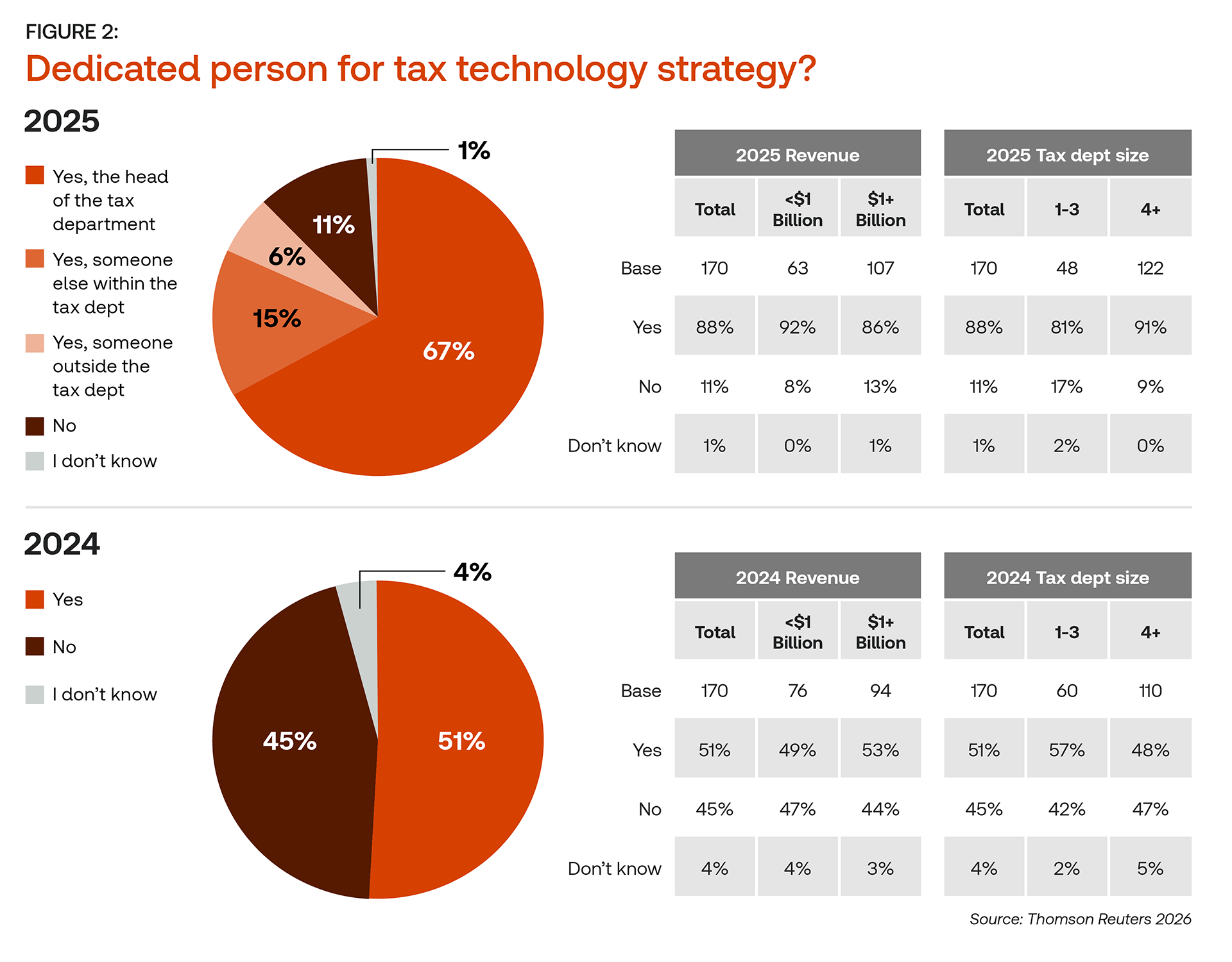
Figure 2: Dedicated person for tax technology strategy
In two-thirds of cases, that person is the head of the tax department. That detail matters. Tax technology has stopped being a side project handed off to whoever has bandwidth — it’s now a leadership responsibility, with budget authority and a seat in the conversations that decide which data integrations, workflow tools, and headcount the department actually gets.
If your organization is in the 12% without that point person, the report’s implicit message is clear: that’s the first gap to close, because every other improvement depends on having someone empowered to fight for it.
3. The AI timeline just compressed
Last year’s survey asked when respondents expected AI to become central to their daily workflow. The most common answer was three to five years. This year, the most common answer is one to two years. The share who say AI is already central to their workflow more than tripled — from 2% to 7%.
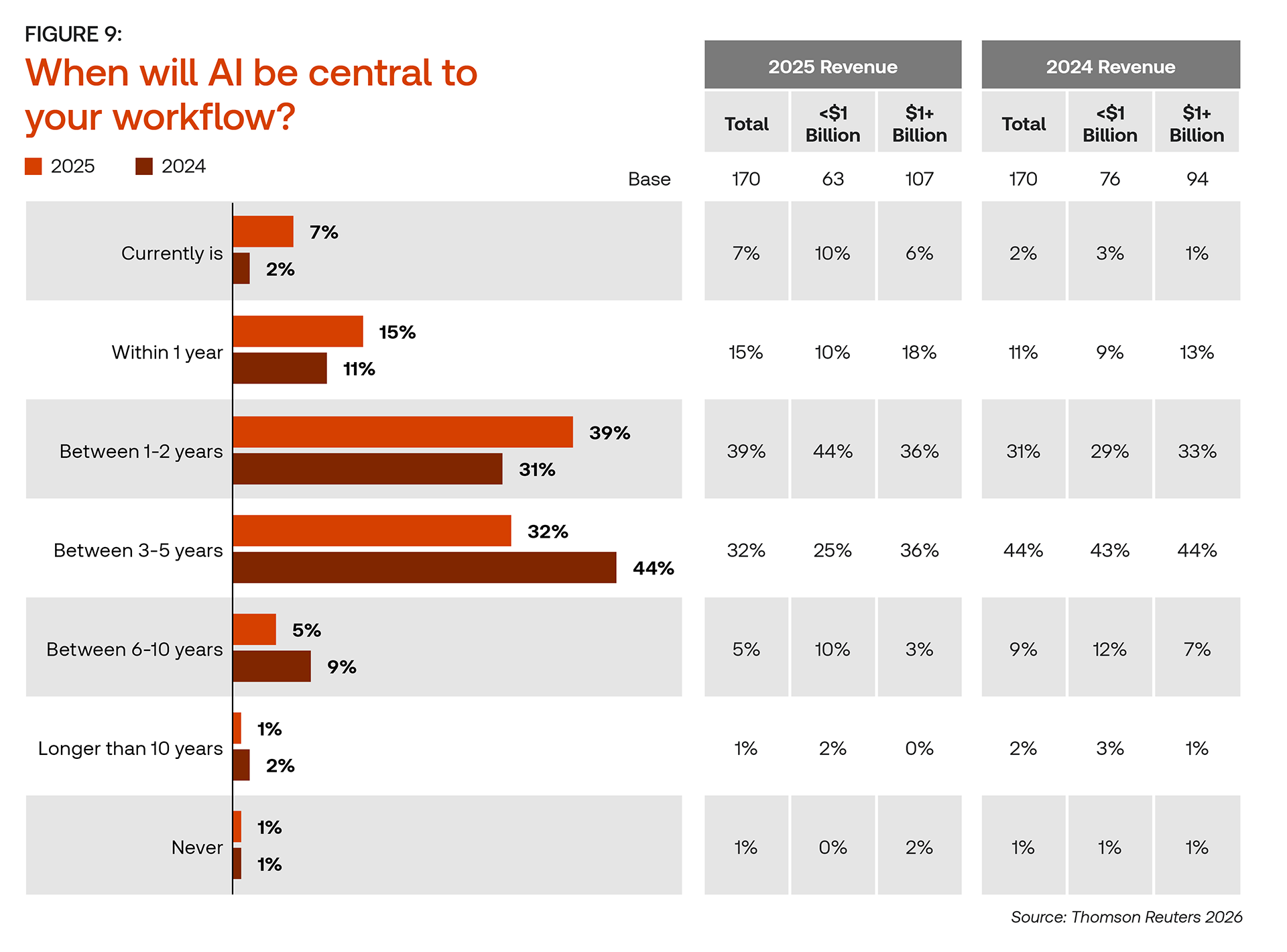
That’s the kind of expectation shift that’s easy to dismiss until you realize what it means for your budget cycles, your training programs, and your infrastructure planning. If twelve months ago you believed you had until 2028 to get serious about AI in tax, your finance partners, your auditors, and your tax authorities increasingly believe you have until 2027.
What direct tax professionals expect AI to actually do is just as instructive. Automating routine compliance (69%) and accelerating technical research (61%) top the list—both squarely in the direct tax wheelhouse.
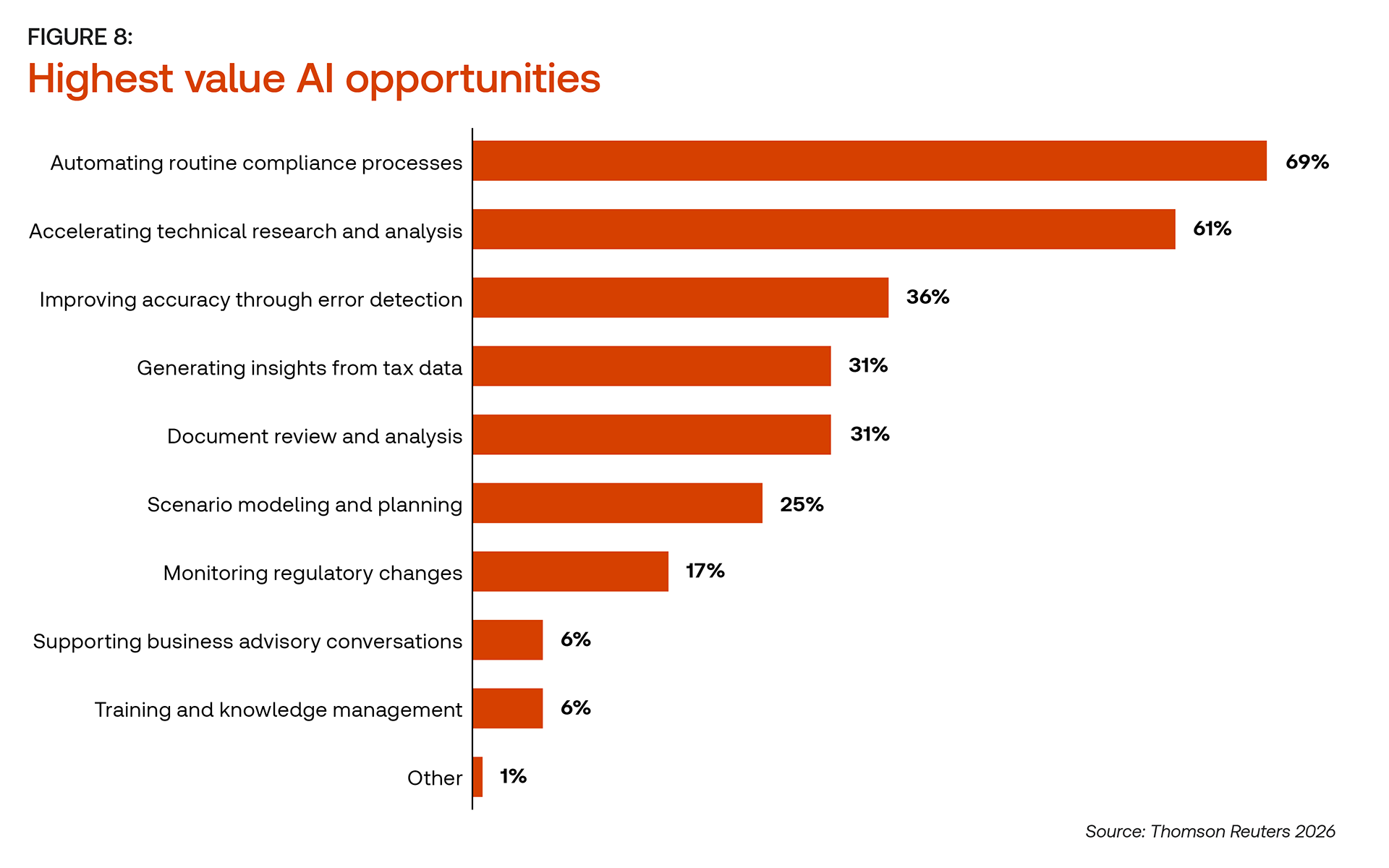
Figure 8: Highest-value AI opportunities
That list reads like a job description for a research associate who never sleeps: read the new state guidance, flag the apportionment implications, run the scenario, draft the memo. Generative AI that can synthesize statutory updates, case law, and multi-jurisdictional nuance into something a tax director can act on is no longer hypothetical. It’s a paradigm shift — and direct tax sits at the center of the regulatory change driving it: federal corporate rate dynamics, state conformity questions, and the ongoing global minimum tax rollout.
4. Most departments are still stuck in “reactive” mode
The report introduces a Technology Maturity Curve — the journey from chaotic (email and spreadsheets) to reactive (some automation, but disconnected) through proactive, optimized, and finally predictive (rule-based automation, real-time analytics, advisory work).
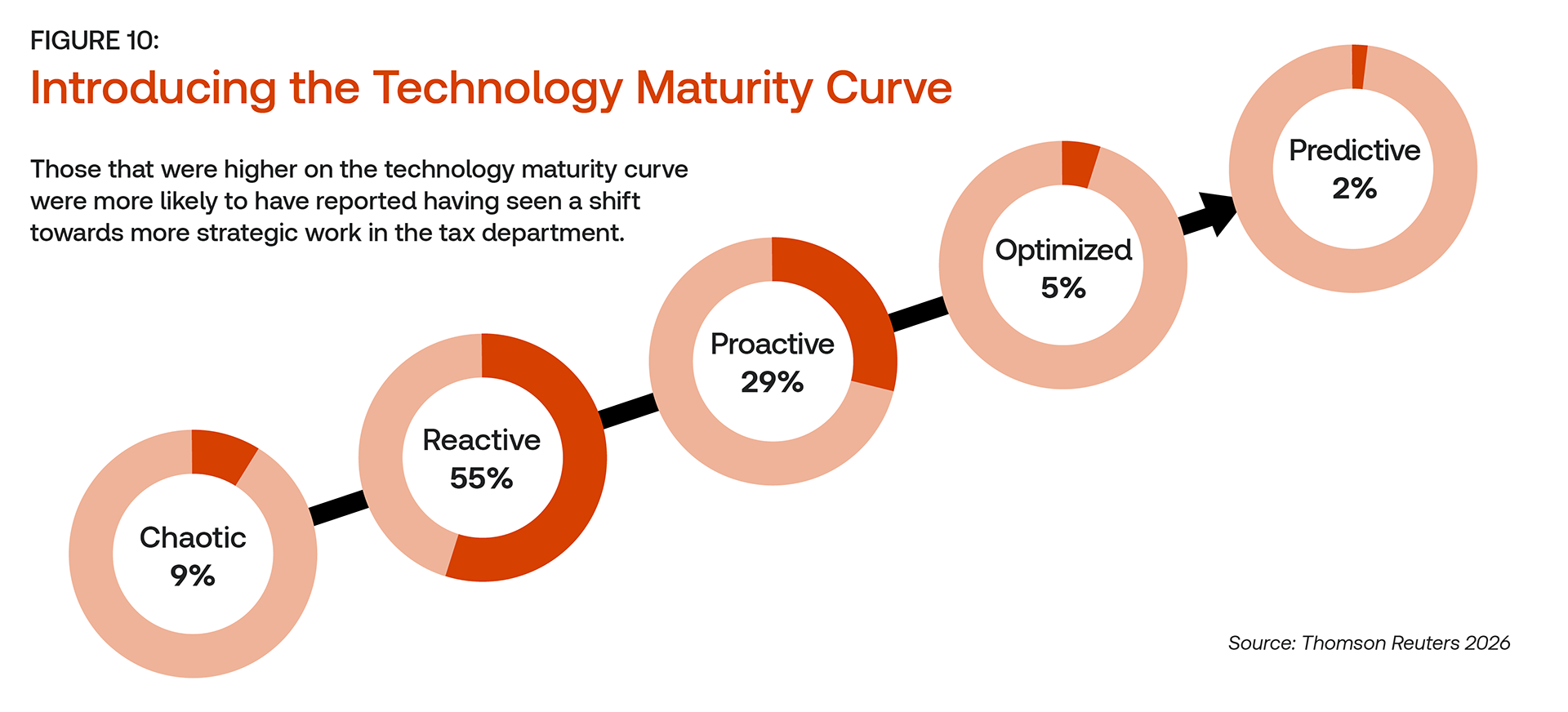
Figure 10: The Technology Maturity Curve
Where most respondents place themselves on the curve is the data point that should give every direct tax leader pause.
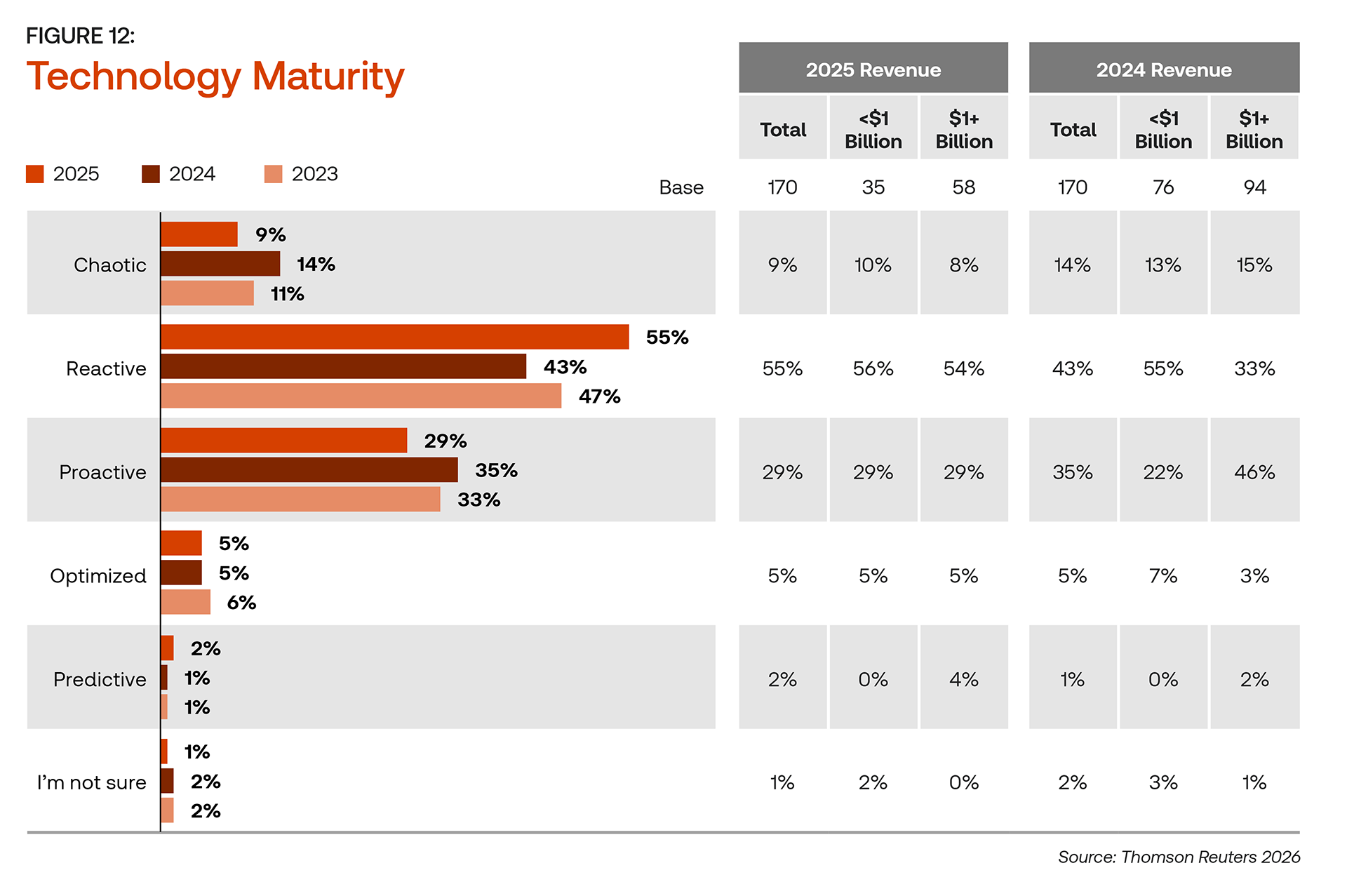
Figure 12: Technology maturity, year-over-year
As mentioned earlier, 64% of this year’s respondents described their department as either chaotic or reactive — slightly worse than last year’s 57%. Only 5% have reached optimized, and just 2% predictive. The proactive segment actually shrank from 35% to 29%.
Despite years of investment, most corporate tax departments are still operating in a mode where the work product is acceptable, but the workflow is held together with manual stitching. For direct tax, that often means the provision is finalized through a hero effort, the compliance season is survived rather than executed, and strategic conversations with finance happen after the close, not during it.
|
|
5. A purchase pause — and a satisfaction collapse
About half of respondents said their company purchased no new tax technology at all in the past twelve months. Among those who did, direct tax compliance led the list at 20%, followed by tax provision at 12% (up from 7% last year) and indirect tax compliance at 12%.
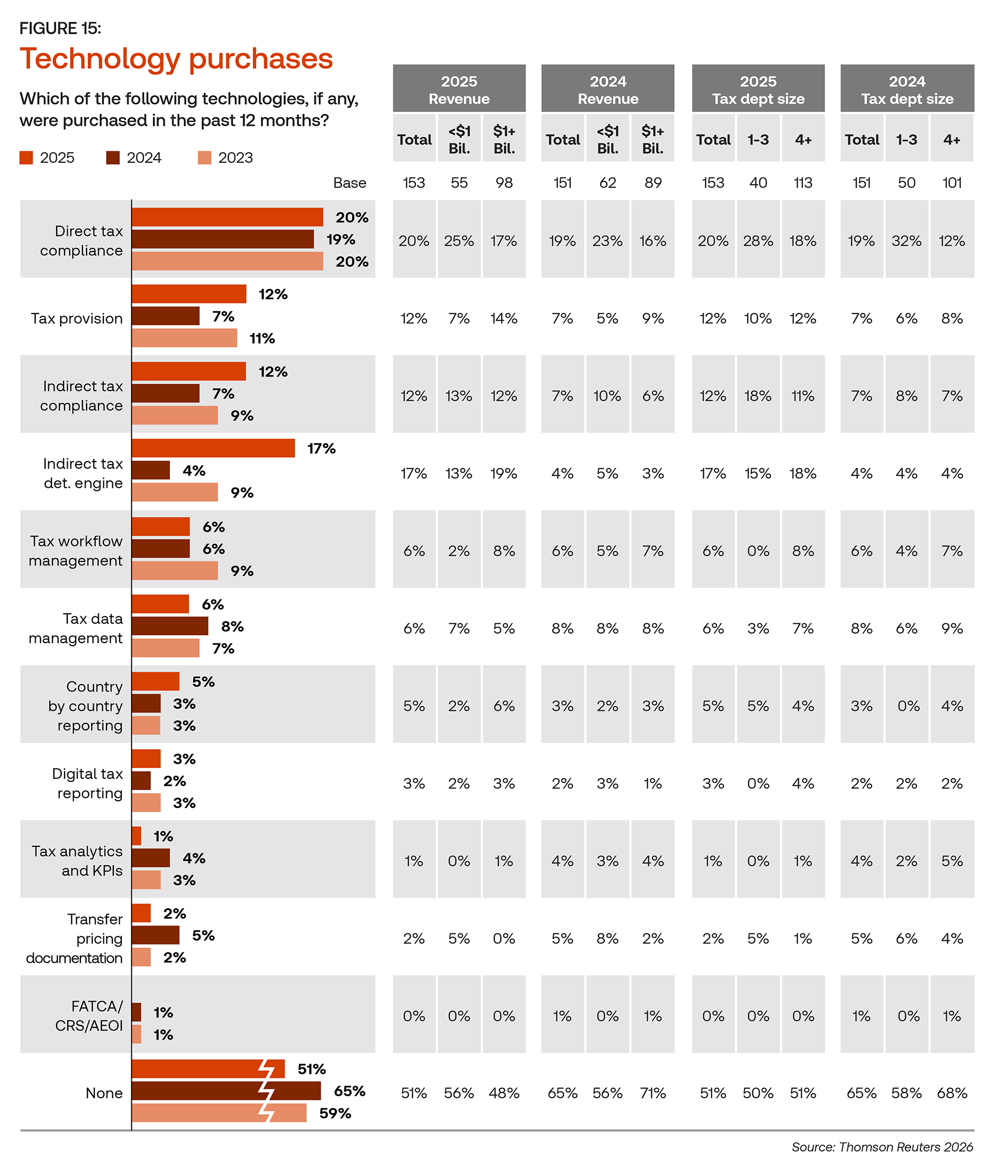
Figure 15: Technology purchases in the past 12 months
The rise in tax provision purchases is worth lingering on. After years in which provision tools were considered relatively mature and saturated, renewed investment suggests something is shifting — whether driven by the data demands of Pillar Two, the need to integrate provision more tightly with ERP and consolidation systems, or simple dissatisfaction with the existing toolset.
That last theory is reinforced by what is arguably the most jarring chart in the report.
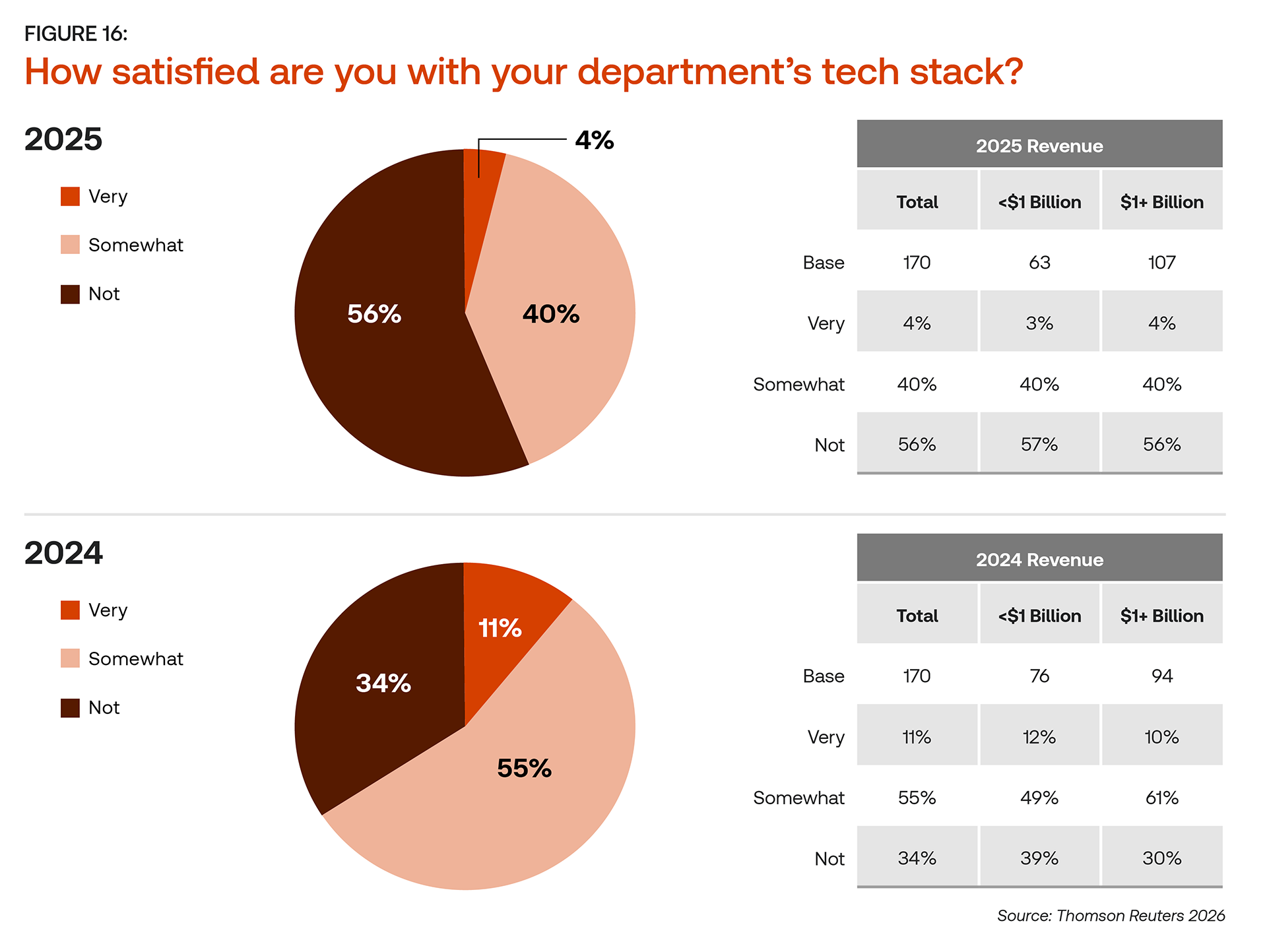
Figure 16: How satisfied are you with your department’s tech stack?
In the previous report, about a third of respondents said they were dissatisfied with their tax tech stack. This year, that figure is 56%. The “very satisfied” share collapsed from 11% to 4%. And — notably — larger firms are no longer happier than smaller ones. The dissatisfaction is broad-based.
The bar for what counts as “good enough” technology has moved. A tech stack that felt reasonable two years ago may not feel reasonable to your team now—and the gap is unlikely to close on its own.
6. Budgets aren’t keeping up — and probably won’t
Asked about the year ahead, 69% of respondents expect their tech budget to increase and 92% expect their capabilities to improve. But last year’s respondents were similarly optimistic, and only about 39% actually got the budget bump they predicted. Hope is not a planning method.
Only 27% of respondents said they can secure the budget and resources they need when they need them. About half of departments fully own their tech budget; the rest share it with finance, IT, or both — which is exactly when budget conversations become exponentially harder.
The implication: plan for the budget you’re most likely to get, not the one you hope to get. That means prioritizing low-cost, high-leverage moves — training, mentorship, process documentation, baseline performance data — that strengthen the business case for the larger investment when the window opens.
Four moves direct tax leaders should make now
Pulling the report’s recommendations together and pressure-testing them against the realities of a direct tax function, four actions stand out. We’ve noted how ONESOURCE accelerates each.
1. Develop an automation game plan. Not a wish list of tools, but a sequenced view of which compliance and provision tasks are candidates for automation, what data each requires, and what the workflow looks like once automation is in place. The point isn’t to offload work to a machine — it’s to recover time and redeploy it to planning, modeling, and advisory work. ONESOURCE’s implementation playbooks are built around this kind of phased automation.
2. Invest in tech training, not just tech. The share of respondents whose companies provide ongoing tech training fell from 59% to 50% this year — the wrong direction, especially given that hiring has swung sharply back toward tax expertise over IT backgrounds. ONESOURCE customers have access to a deep library of role-based training, certification, and a global user community — so a tax-strong team can ramp quickly on the platform.
3. Track performance and ROI. Two-thirds of respondents who measure tech performance track time savings; only 41% track ROI and cost savings. Time savings makes for a good internal narrative; ROI is what convinces finance and IT to release additional funds. ONESOURCE’s reporting and analytics capabilities make capturing those numbers a byproduct of running the platform, not a separate project.
4. Build the business case before you need it. Establish a baseline — turnaround on provision close, hours per state return, cost per filing — then identify where new tech could move those numbers and run the math on payback. Direct tax leaders who walk into a budget conversation with concrete numbers consistently get more than those who walk in with a vendor brochure. Our team can help you build that baseline.
The honest takeaway for corporate tax departments
The most candid line in the report appears in its closing pages, where the authors observe that the gap between where corporate tax departments are now and where the technology is heading is widening, and quickly. The risk isn’t that any single department will be left behind in any single year. The risk is that the cumulative drift — slow budget growth, modest training, modest investment, year after year — quietly becomes a structural disadvantage that’s much harder to close than any one of its individual pieces.
For direct tax leaders, the moment of choice arrives in concrete, scheduled-on-the-calendar form: the next provision platform decision, the next ERP upgrade where tax requirements get baked in or left out, the next conversation about who owns tax technology strategy. The departments that move now—even modestly, even within constrained budgets—will be in a meaningfully different place by the time their peers realize the timeline they were planning against was wrong.
The frustration gap is real. For the leaders willing to act, it’s also an opportunity to define which side of it their team ends up on. ONESOURCE is here to help you act.
Take the next step
Read the full 2026 Corporate Tax Department Technology Report for the complete data, peer benchmarks, and strategic recommendations — then see how ONESOURCE can help you act on what you learn. Schedule a personalized demo with our direct tax specialists to see the platform in your context.
▸ Download the report | ▸ Learn more about ONESOURCE direct tax
The 2026 Corporate Tax Department Technology Report is produced by the Thomson Reuters Institute in partnership with Tax Executives Institute. The full report draws on a survey of 170 US-based corporate tax decision-makers conducted in November and December 2025.